
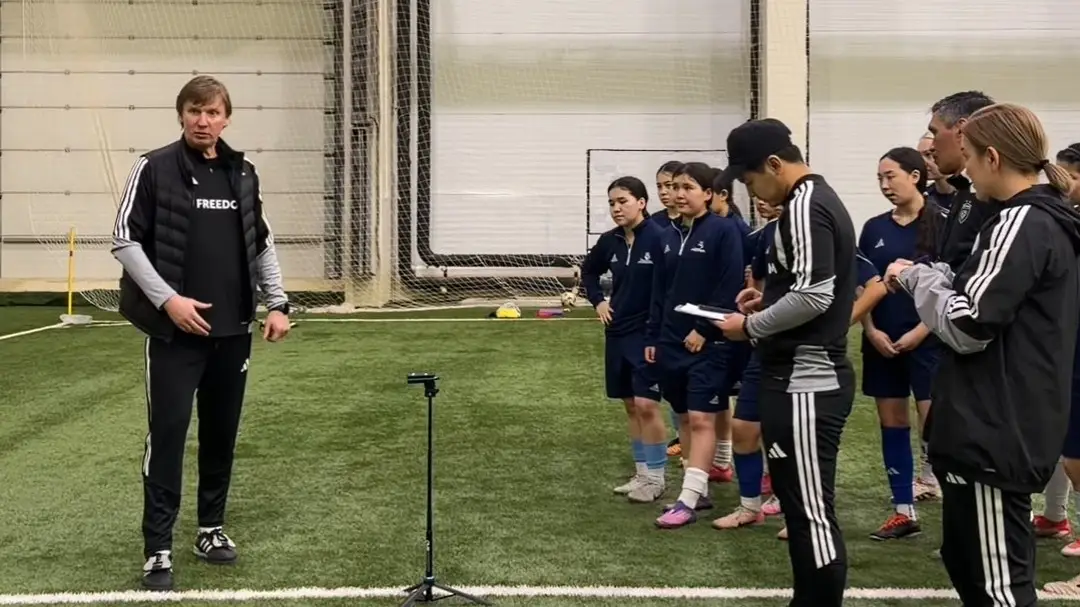
The League’s Sports Analytics Unit continues to implement advanced digital tools for data collection.
In the new season, the analysis of players’ fitness metrics will play a crucial role. This will be one of the key focus areas for the Unit throughout the year.
Representatives of the Unit measure physical indicators of players from participating teams using OVR Performance equipment. This work will help create model profiles for each playing position and define the profile of an ideal Freedom QJ League player, forming the basis for recommendations to team coaches.
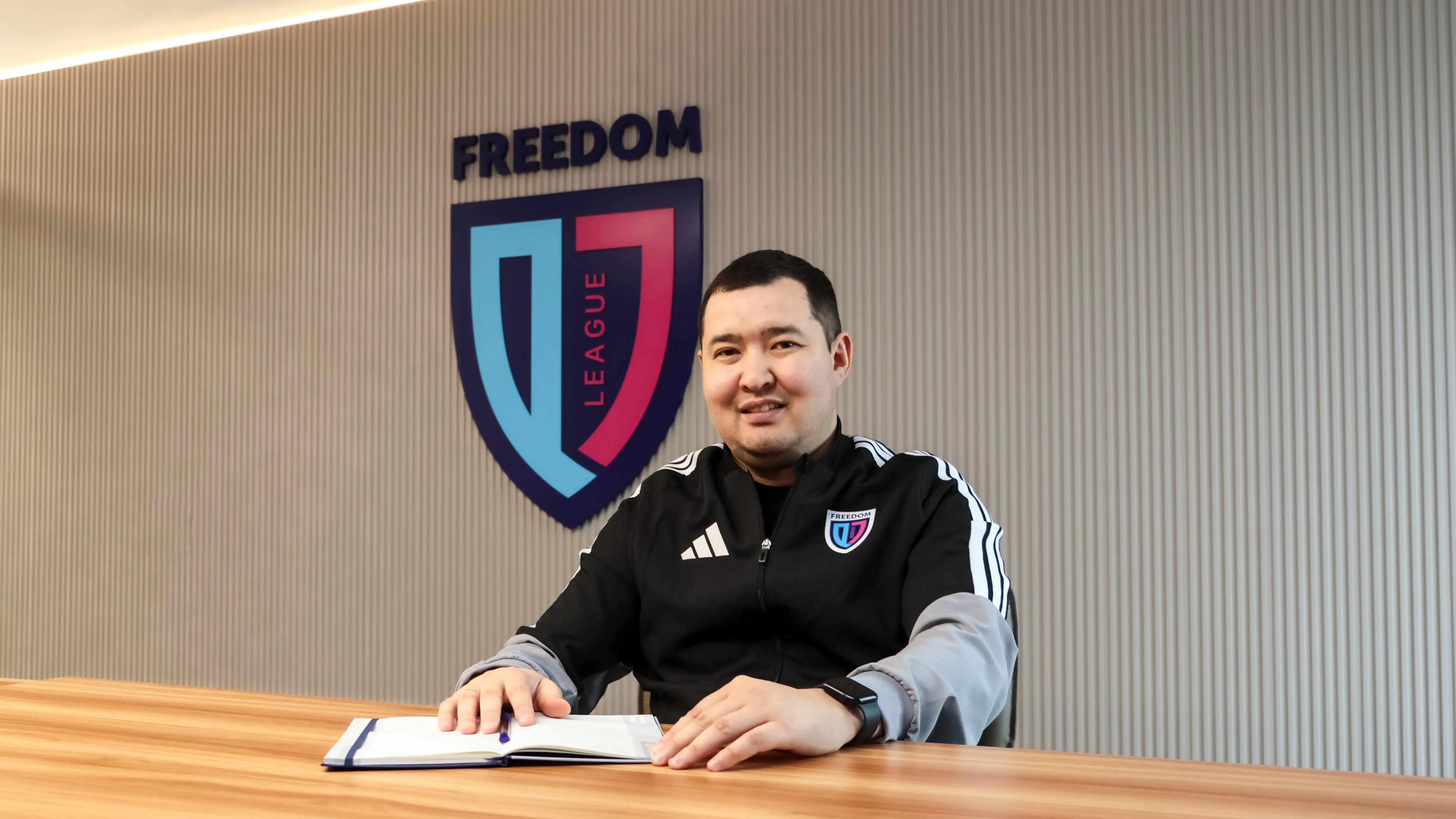
“Our goal is to study the physical capabilities of our players and then understand how we can influence them through the training process or develop individual fitness programs,” said the Head of the Sports Analytics Unit, Bauyrzhan Sagyndyk.
Running, plyometric, and technical tests will be conducted not only before the start of the season but also during the season and after tournaments, allowing performance to be assessed and compared dynamically.
“Evaluation criteria will depend on the playing position. Each age category will have its own model characteristics. We will then compare them with data from Kazakhstan national teams of different age groups, as well as teams from European leagues. We will monitor changes over time and identify areas for adjusting the training process,” explained League analyst Alexey Schigolev.
This week, SAU experts measured the physical performance of boys’ and girls’ teams from Astana at the House of Football.
“I believe this is a very important step forward for us, because previously this work was done using stopwatches, which resulted in significant inaccuracies. With these sensors, we can now determine our girls’ readiness much more precisely,” said Astana girls’ team coach Bolat Saginbayev.
In addition to OVR Performance sensors, SAU experts plan to collect player data using other equipment this season, such as “smart” cameras that track technical and tactical actions as well as fitness metrics during matches and training sessions. This project is being implemented by the League in partnership with Freedom Telecom and BigBro.
There are also plans to use GPS trackers, which are widely adopted in professional leagues worldwide.
The collected data will also be used within the “Player of the Future” project. SAU regional inspectors will regularly monitor training intensity and provide recommendations to coaching staffs.
These innovations will also open new opportunities for Kazakhstan’s youth national teams.
“We analyzed our participation in the UEFA European Championship qualifiers and concluded that at the moment our players’ physical metrics do not meet the intensity required at the elite round level,” emphasized Bauyrzhan Sagyndyk, who also serves as head coach of the Kazakhstan U-17 national team.
Another key initiative is the introduction of mandatory treadmill tests for all teams in the competition regulations, aimed at assessing players’ overall physiological readiness for high-intensity workloads.
The first round of the 2026 Freedom QJ League season will kick off on April 18. On this day in Kyzylorda, the League’s 1000th match will take place, with the game between Kaysar and Tobol set to be held as a large-scale football festival. Tickets are available on Freedom Ticketon.

-min(0).webp)

.webp)

(0).webp)





.webp)