In the new season, the sports analytics unit of the Freedom QJ League will have even more opportunities for collecting and processing in-depth statistics — thanks to the installation of "smart" cameras and the introduction of a video analytics system for training sessions.
The league plans to implement this project in collaboration with another member of the Freedom ecosystem — Freedom Telecom. The telecommunications operator will, among other things, provide sports facilities where several QJ League teams train and play matches with dedicated high-speed broadband Internet channels, which are essential for operating this equipment.
The pilot project is scheduled to launch in 2025 in four cities, with plans to scale it to other regions in the future. The collected data will be integrated with the FF Manager platform, designed for the digitalization of the training process, which was developed and launched by the League in 2024.
The founder and head of the BigBro project, Tikhon Fiseysky, with whom the League is negotiating a partnership, shared details about the planned collaboration.
– We conduct an in-depth analysis of game and training processes using Computer Vision technology. We record training sessions and games with specialized cameras, then process the footage through our AI system, collecting detailed data. Based on this, we create highlights — short clips featuring all the key actions of each player.
– Could you please provide more details about these cameras?
– These are specialized AI-powered sports cameras that capture the entire field. This allows for tracking all players during the game, detecting the ball, recording positions, and subsequently analyzing all tactical actions and fitness data of the players.
The idea is that a technology called "computer vision" detects an object — whether a player or the ball — and determines its coordinates on the field. As the player moves and runs, their "trail" is mapped in a 2D plane. This enables the system to calculate various performance parameters. No GPS trackers or sensors are needed; everything is determined through video analysis. With this approach, we can measure a player's acceleration, speed, and total distance covered, among other metrics. The same applies to technical and tactical actions: passing accuracy, shots, dribbles, duels won — essentially, all the in-depth analytics one could imagine.
– Could you please describe how the implementation of this technology will take place?
– We are currently in the process of finalizing a major agreement with Freedom QJ League and the telecommunications provider Freedom Telecom. This is a very exciting project that perfectly aligns with the extensive digitalization efforts that Freedom is undertaking across various fields.
The sports analytics division of the League aims to analyze not only matches, as QJL has done before, but primarily the training process. By leveraging recorded video and the statistics collected from it, the system will provide recommendations to coaches, helping to further enhance both the development of specialists and the players themselves.
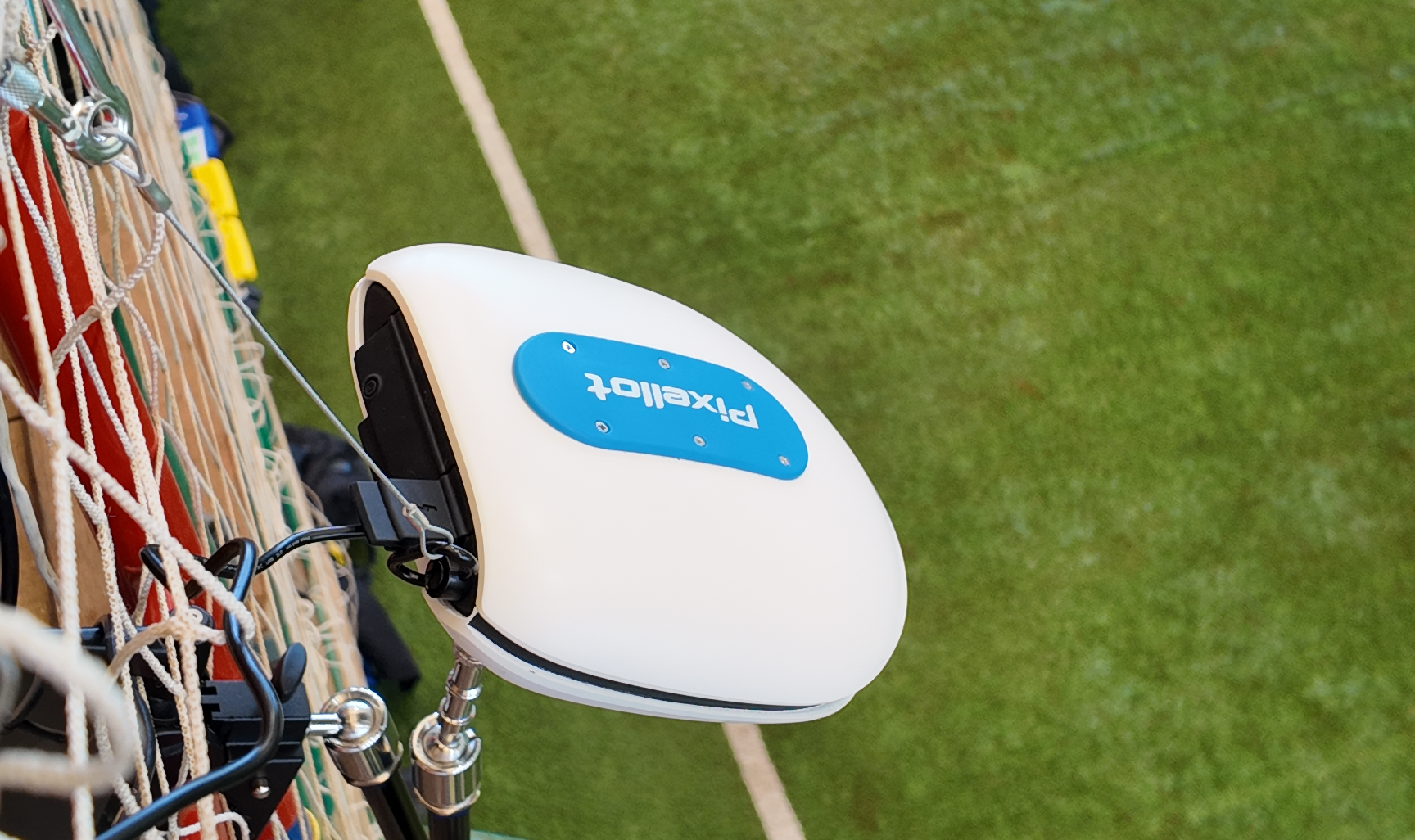
There are two types of cameras: Stationary cameras – These will be installed at four stadiums for round-the-clock operation. Portable cameras – These will also be provided as part of the project. The sports analytics division will be able to transport them from game to game.
– Which football leagues is your company already partnering with?
– We have many clients worldwide. For example, we have a successful case with a Georgian company that provides data for local youth football, offering clubs, players, and their parents game recordings and analytical insights. Additionally, we have clients in other European countries, the UAE, and the USA.
Kazakhstan and Freedom QJ League represent a very important project for us, as we see the strong emphasis on sports analytics and the media aspect of football in this region.
As part of this collaboration, we will also provide player highlights from both matches and training sessions. I believe this will be interesting not only for the players themselves, their parents, the League, and club representatives but also for the fans and spectators.